Whether you run a small business, work as a contractor, or own a busy retail shop, interacting with customers and the public comes with certain risks. Even with the best safety practices, accidents can happen. Public liability insurance is designed to help businesses manage the financial impact of claims arising from these unexpected incidents.
Understanding Public Liability Insurance
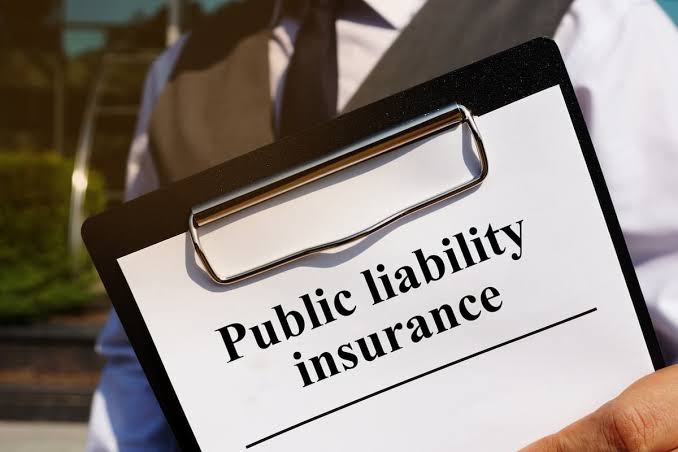
Public liability insurance is a type of business insurance that may provide financial protection if a third party claims they have suffered physical injury or property damage because of your business activities.
For example, a customer may slip on a wet floor inside your premises, or a contractor may accidentally damage a client’s property while carrying out work. If the business is found legally responsible, public liability insurance may help cover eligible compensation payments and legal defence costs, subject to the terms and limits of the policy.
Who Might Need Public Liability Insurance?
Public liability insurance can be valuable for many different types of businesses, particularly those that regularly interact with customers, suppliers, or members of the public.
Businesses that commonly consider this type of cover include:
- Retail stores
- Restaurants and cafés
- Builders and contractors
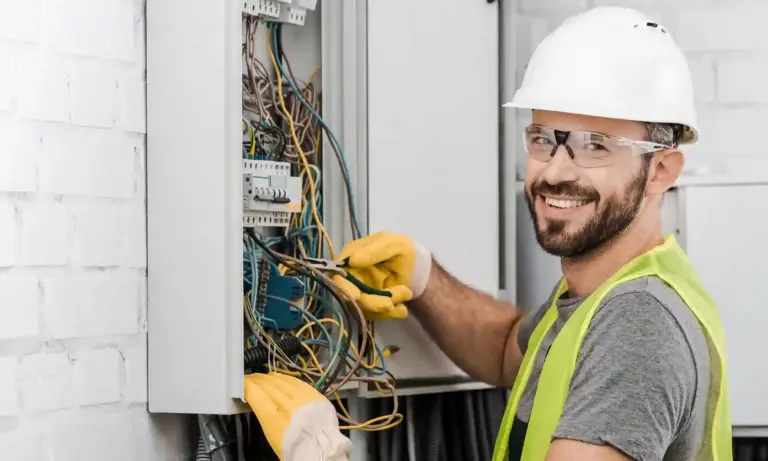
- Electricians and plumbers
- Landscapers and gardeners
- Cleaning companies
- Event organisers
- Consultants who regularly visit client premises
- Manufacturers and wholesalers
Even businesses that primarily operate from an office may face liability risks when visitors attend their premises or employees work at client locations.
What Does Public Liability Insurance Typically Cover?
Although coverage varies between insurers and policies, public liability insurance generally focuses on claims involving:
- Injury to members of the public
- Damage to third-party property
- Legal defence costs relating to covered claims
- Compensation awarded where the business is legally liable
Every policy contains conditions, exclusions, and coverage limits, so businesses should carefully review the policy wording before purchasing insurance.
What Is Usually Not Covered?
Public liability insurance does not cover every type of business risk. Depending on the policy, exclusions may include:
- Injuries to employees
- Professional advice or consulting errors
- Intentional or criminal acts
- Damage to the business’s own property
- Contractual obligations that extend beyond normal legal liability
Businesses may require additional insurance products to address these risks.
Is Public Liability Insurance Legally Required?
Whether public liability insurance is legally required depends on the country, industry, and contractual obligations involved.
Even where it is not mandatory, many businesses choose to purchase it because clients, landlords, event organisers, or government contracts may require proof of insurance before work can begin.
Why Public Liability Insurance Matters
A single accident can result in significant legal costs, compensation claims, and business disruption. For many businesses, these unexpected expenses could have a serious financial impact.
Public liability insurance can provide an additional layer of financial protection, allowing business owners to focus on running their business with greater confidence.
However, insurance should not replace good risk management. Regular safety inspections, employee training, proper maintenance, and clear workplace procedures remain essential in reducing the likelihood of accidents occurring.
Final Thoughts
Every business faces different risks, but any business that interacts with customers or the public should consider its potential liability exposure.
Understanding what public liability insurance is, what it typically covers, and where its limitations lie can help business owners make informed decisions about protecting their business and preparing for unexpected events.
About the Author